By Bryce Abshier – Contact Bryce@voiceofsouthmarion.com
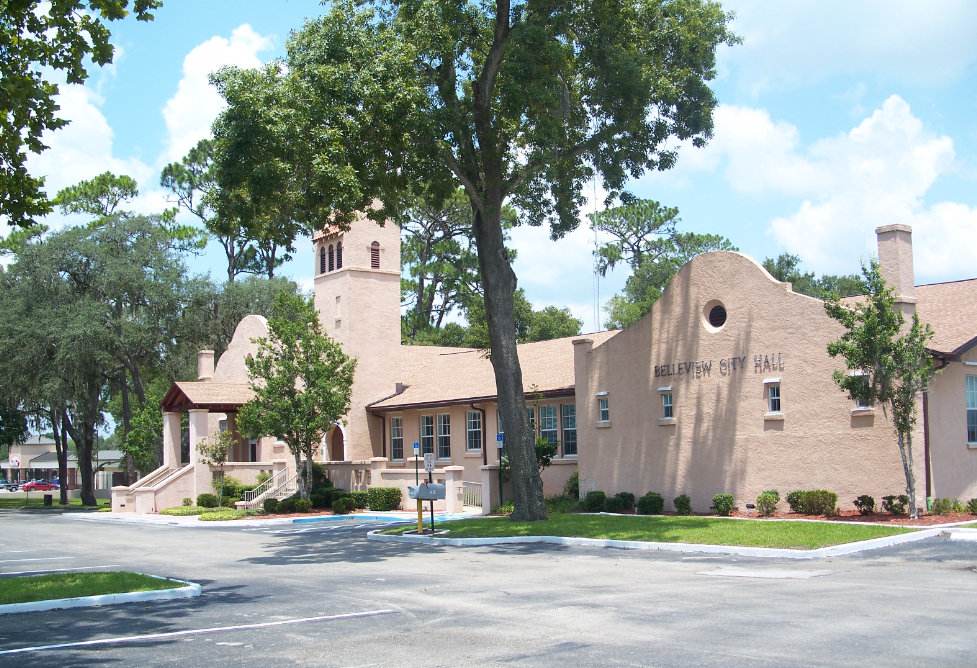
Belleview leaders opened September with talk of a full forensic audit of the city’s finances but later opted for a more measured approach after learning the potential cost.
At the Sept. 3 city commission meeting, Mayor Christine Dobkowski recommended a forensic audit before a new finance director is hired. Former Finance Director Marge Strausbaugh, a longtime employee of the city, announced her resignation in August. Dobkowski said an independent review would provide a clean slate for whoever takes the reins, and the commission seemed to agree. At that time, commissioners directed City Administrator Mariah Moody to begin the process of contracting with a forensic accountant.
When the commission reconvened Sept. 16, the enthusiasm for a full forensic audit ran up against financial reality. Moody reported that a full forensic audit could cost between $350,000 and $500,000.
“I feel like there is a better way,” Moody told the commission. She suggested that a consultant already under contract with the city could review the budget for clerical mistakes, which she described as the most likely source of past issues.
Moody said the current consultant could be asked “to go through the budget and look for the clerical errors.”
“Really that’s what we think the issues were, is that the budget was put together with a lot of clerical errors,” Moody said. She added that existing auditors could be invited to answer questions directly and clarify any concerns about potential fraud.
“If there was any fraud found, beginning there, then we would come back and circle back but not to spend this extreme amount of money up front,” Moody said.
A forensic audit is a specialized review of financial records that goes beyond a standard yearly audit. Instead of simply confirming that accounts balance, it traces transactions in detail, looking for irregularities, misstatements, or signs of fraud. These audits often involve examining policies and individual expenditures, and they are typically used when organizations want to confirm that funds have been managed properly or when concerns about misuse of money have been raised.
Such audits are expensive because they require outside specialists to examine years of records line by line, interview staff, and document findings in detail for potential legal or regulatory review.
For citizens, the exchange may raise as many questions as it answers. A forensic audit was publicly discussed, with commissioners initially on board, but the scope was narrowed once the projected cost was revealed. The result is a more modest review aimed at catching clerical errors rather than uncovering other issues.
For now, Belleview leaders have chosen the less costly path, with the understanding that if errors point to something larger, the city may revisit the idea of a forensic audit down the road.