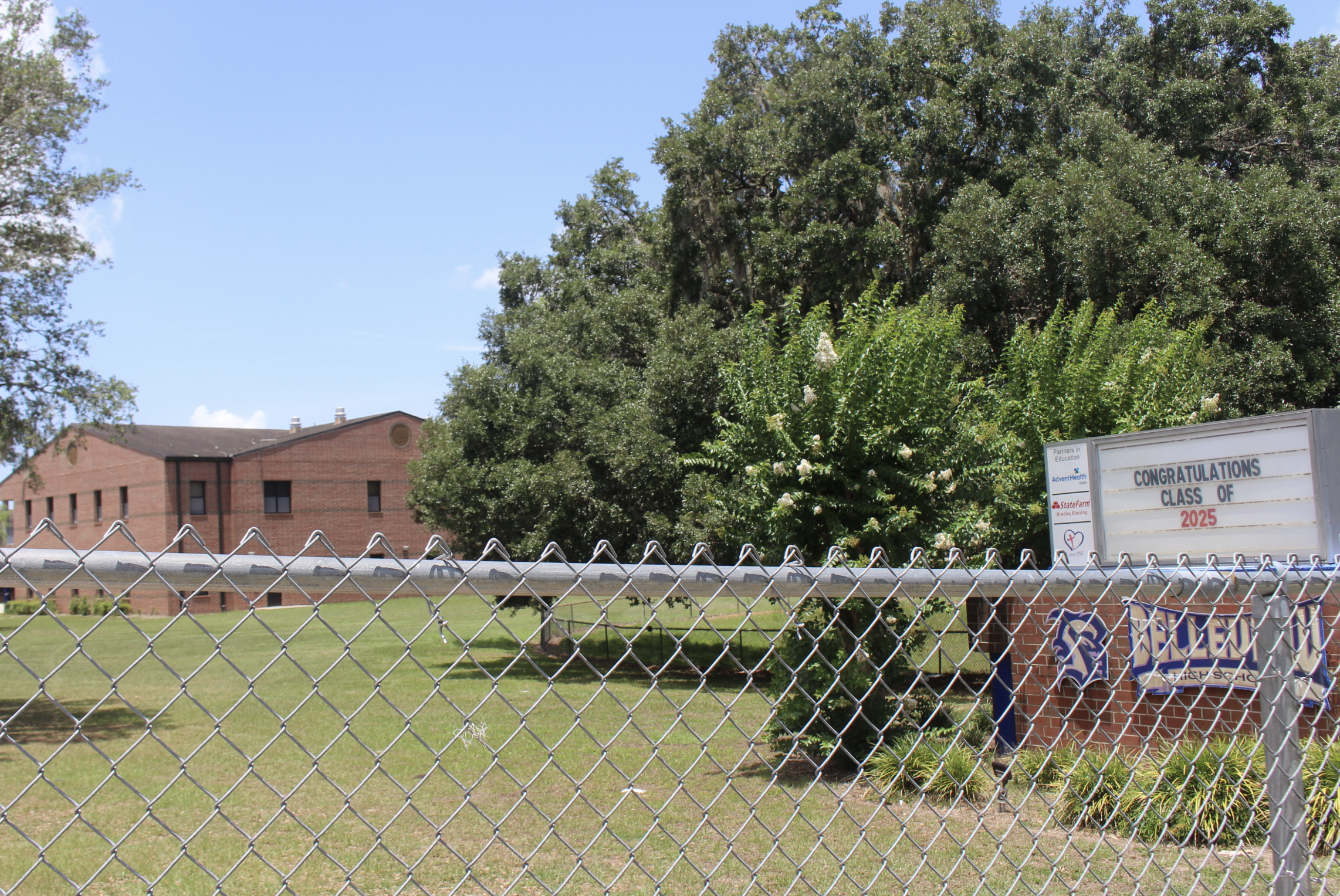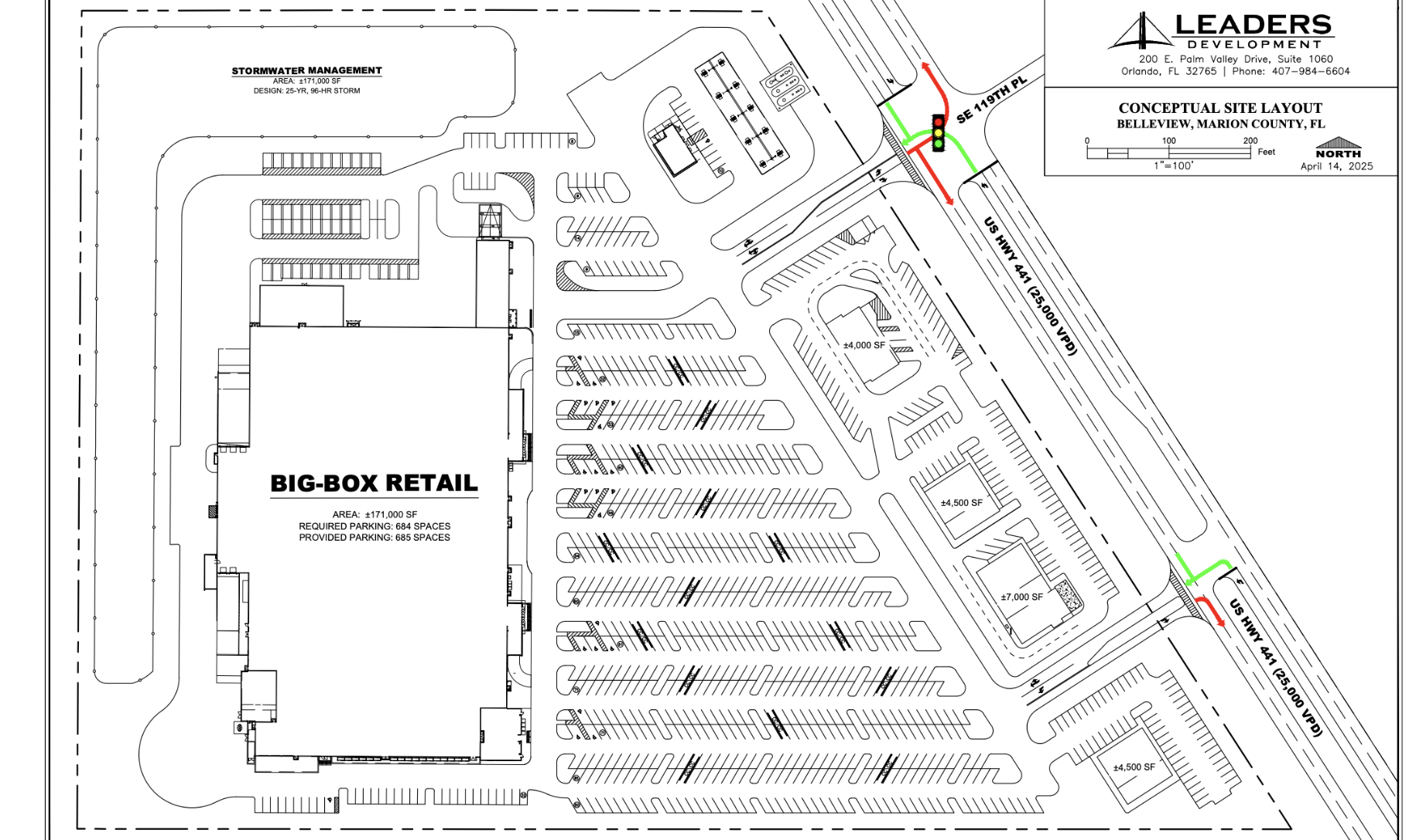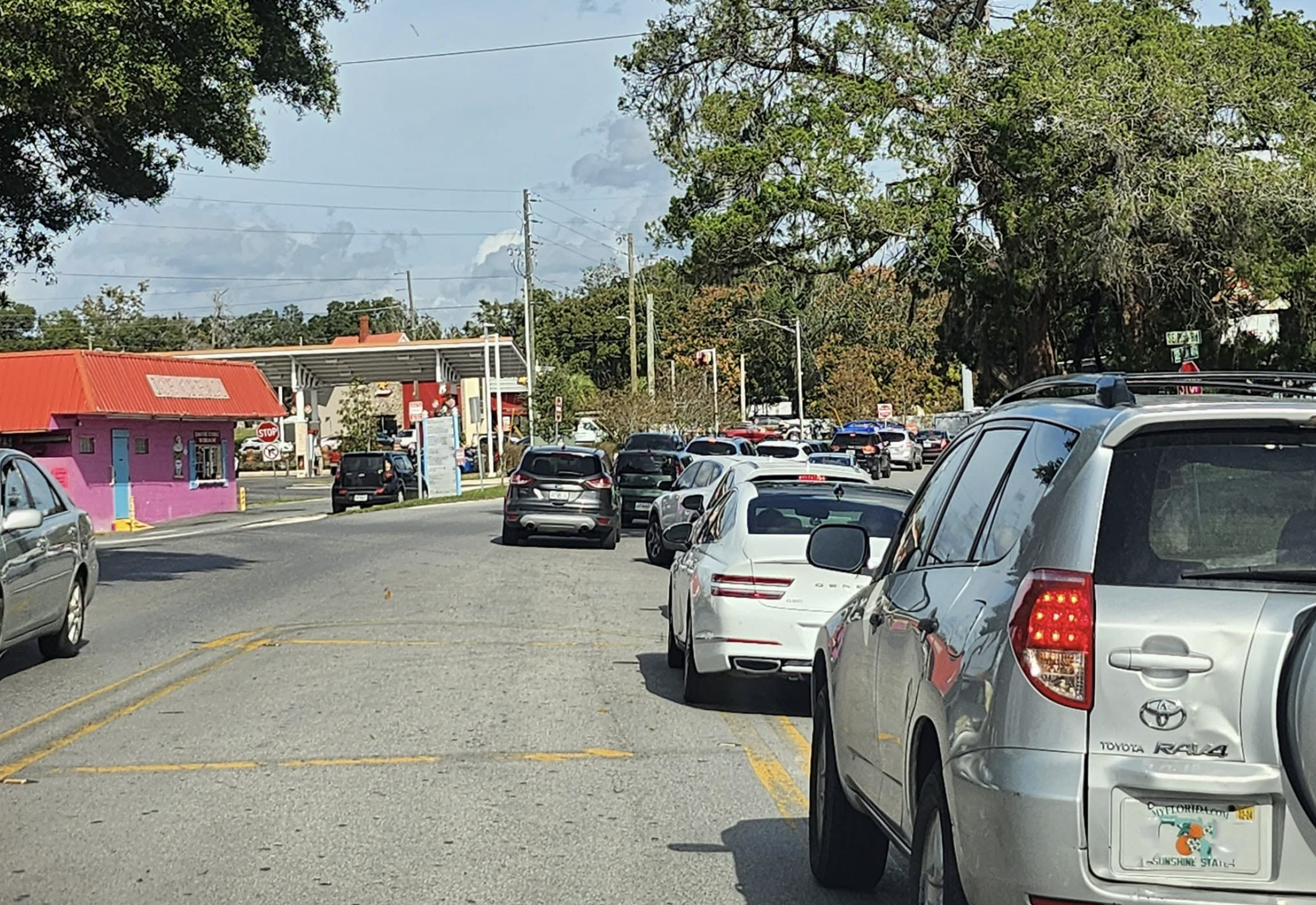
Marion County has experienced an unprecedented building boom over the past two decades. As traffic worsens, farms disappear, schools become crowded, and concerns grow over water resources and quality of life, many residents point directly at developers and ask: “Are they the problem?”
I think it is important to look at that question with clear eyes.
More than fifteen years ago, Marion County made a conscious decision to encourage growth. Impact fees were lowered, development was encouraged, and the message was sent that Marion County was open for business. Developers responded exactly as one would expect. They came, invested, built homes, shopping centers, and communities. The landscape we see today is largely the result of policies that were intentionally put in place.
Are there problems today? Absolutely.
But if we are looking for solutions, we need to understand where responsibility truly lies.
Developers do not write the rules. They operate within the rules established by government. The real question is: Who decides what those rules are?
That is where the conversation becomes more difficult.
Over the years, the building industry has become extraordinarily influential in local politics. Organizations representing development interests have grown in both size and power. They raise significant amounts of money for candidates they support. They attend meetings in force. They hire lobbyists, consultants, attorneys, and political strategists. They participate at every level of the process.
None of this is illegal. None of it is unique to Marion County.
But when any single interest group accumulates enough influence to dominate the political process, the system begins to drift out of balance.
A healthy government requires competing voices. It requires builders, environmentalists, business owners, farmers, teachers, retirees, young families, and ordinary citizens all having meaningful seats at the table. When one group becomes so powerful that elected officials become dependent upon it for campaign funding and political support, public confidence begins to erode.
Residents see candidates raise hundreds of thousands of dollars in a matter of days or weeks while citizen candidates struggle to raise a fraction of that amount. They watch decisions being made and wonder whether their voices matter. They hear statements such as, “We select them and elect them, not you, so don’t even bother running,” and whether those words are spoken seriously or in jest, they reveal a dangerous perception: that the system belongs to insiders rather than the people.
When citizens begin to believe elections are predetermined, democracy itself suffers.
The issue is not developers.
The issue is balance.
The issue is integrity.
The issue is whether ordinary residents still have a meaningful voice in determining the future of their community.
If Marion County is going to restore public trust, we need an honest conversation about campaign finance, transparency, conflicts of interest, and public
participation. We should explore reforms that reduce the influence of large donors, encourage competitive elections, and ensure that public officials remain accountable to the people they serve.
Reasonable people may disagree on the specific solutions. Some may support campaign contribution caps. Others may favor greater disclosure requirements, public financing options, or stronger ethics rules. But regardless of the approach, the goal should be the same: restoring balance to a system that many citizens no longer trust.
This article is not about pointing fingers.
It is about pointing the way.
Marion County’s future should not be determined by the most powerful interests in the room. It should be determined by the people who live here, work here, raise their families here, and love this community.
When government is balanced, everyone benefits.
When government loses that balance, everyone eventually pays the price.
The challenge before us is not to defeat one group or another. The challenge is to restore integrity, trust, and balance to the process itself.
Only then can we have the kind of county government that truly serves all of Marion County.
Brian Donnelly